
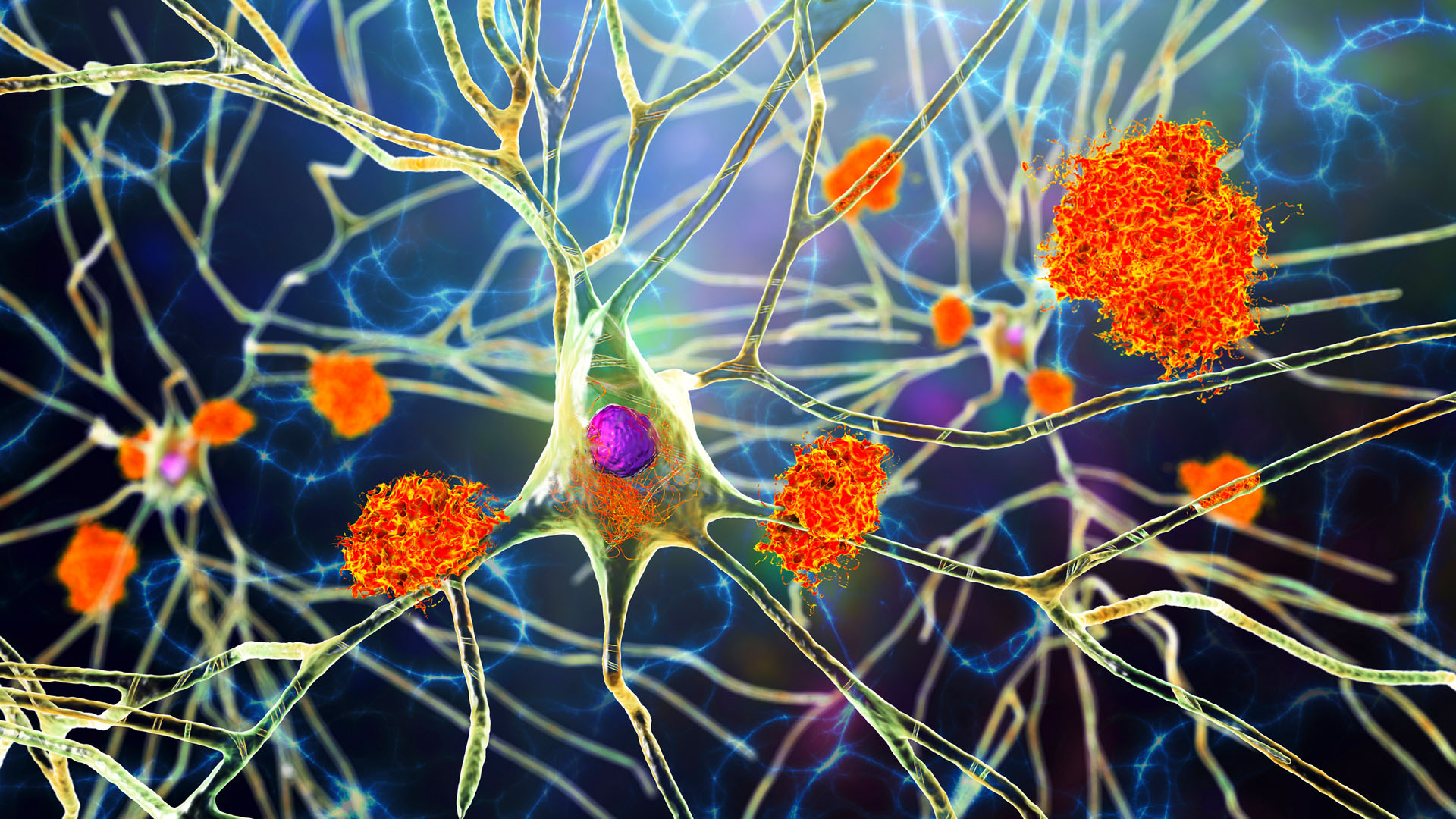
When memory, attention, language, or everyday independence begin to change, families often look for an intervention that can address the problem from every possible direction. Yet different approaches to Alzheimer’s care are designed around different objectives. Cellular medicine and cognitive rehabilitation should therefore not be viewed as interchangeable treatments.
Alzheimer’s Disease cell therapy belongs to an evolving field that investigates how cellular and biological mechanisms might influence the brain environment. Cognitive rehabilitation, by contrast, concentrates on helping a person use existing abilities more effectively and adapt to cognitive difficulties in everyday life. Understanding this distinction can make discussions about care more realistic.
What Cognitive Rehabilitation Actually Targets
Working With Abilities That Remain
Cognitive rehabilitation is centered on practical functioning. Rather than attempting to reverse the underlying biological causes of dementia, rehabilitation specialists work with an individual’s current strengths and difficulties.
Depending on the person’s needs, sessions may involve strategies for remembering appointments, organizing daily activities, improving attention, practicing communication, or developing routines that reduce cognitive demands.
The approach is highly practical. A person struggling to remember several tasks, for example, might learn to use consistent environmental cues or structured routines. The objective is to support independence and participation in daily life.
Adaptation Can Be Valuable
Cognitive rehabilitation also recognizes that maintaining function is not always about restoring a previous level of performance. Adapting the environment and introducing compensatory strategies can help a person remain engaged in familiar activities even when certain cognitive abilities become less reliable.
This makes rehabilitation particularly relevant to the everyday experience of both patients and caregivers.
Where Cellular Medicine Takes a Different Direction
Investigating the Biological Environment
Cellular approaches operate at a different level. Researchers are investigating whether particular cells or cell-derived biological signals could influence processes associated with neural health, inflammation, cellular communication, or tissue support.
For those exploring this area, stemplus represents a setting where clinical assessment and biotechnology capabilities are brought together around individualized cellular medicine. The emphasis is not simply on the administration of cells, but on understanding the patient’s broader medical circumstances before considering an intervention.
It is important to distinguish this research-oriented biological perspective from rehabilitation. Cellular approaches are being investigated for their potential effects on underlying biological processes, while rehabilitation focuses primarily on functional adaptation.
Why the Difference Matters
A person can participate in cognitive rehabilitation without undergoing cellular treatment. Likewise, exploring a cellular intervention does not eliminate the need for cognitive support.
These approaches answer different questions. Cellular medicine asks whether biological mechanisms can potentially be influenced through a cellular strategy. Rehabilitation asks how a person can function more effectively despite existing cognitive limitations.
Alzheimer’s Care Is More Than One Intervention
The Value of Combining Perspectives
Alzheimer’s Disease affects several dimensions of life simultaneously. Cognitive symptoms can influence communication, decision-making, mobility, social interaction, and the ability to complete familiar tasks.
Because of this complexity, care may involve several different disciplines. Neurological assessment can clarify disease-related changes, rehabilitation can address practical difficulties, and other medical services can help manage associated health conditions.
The presence of one approach does not make the others unnecessary. Instead, each can contribute information or support at a different level.
Measuring Different Types of Change
Another important distinction concerns how outcomes are observed. Cognitive rehabilitation may evaluate whether a person can complete a task more independently or use a learned strategy successfully. A cellular program may involve medical and biological assessments intended to track changes associated with its specific therapeutic objectives.
These measurements should not be confused. Improvement in a rehabilitation exercise does not automatically demonstrate a biological change, just as a biological finding does not necessarily translate into immediate improvement in daily functioning.
Setting Appropriate Goals
What Should Families Expect?
For Alzheimer’s Disease cell therapy, expectations should be based on the current evidence, individual medical assessment, and the specific objectives of the cellular approach being considered. Cellular medicine remains an area of active development, so claims of guaranteed cognitive recovery should be treated cautiously.
Rehabilitation has a different practical framework. Goals can often be defined around concrete activities: maintaining routines, improving communication strategies, managing distractions, or supporting independence.
This difference can help families formulate more useful questions. Instead of asking which approach is “better,” it may be more productive to ask what particular need each approach is designed to address.
Keeping the Person at the Center
Beyond the Treatment Label
Ultimately, the most meaningful measure of care is how well it responds to the individual. A biological intervention and a rehabilitation program may have very different purposes, yet both can be discussed within a broader strategy focused on preserving dignity, function, and quality of life.
As research develops, Alzheimer’s Disease cell therapy may continue to generate new questions about the brain’s capacity for repair and biological support. Cognitive rehabilitation, meanwhile, remains focused on the abilities people can use today.
Recognizing these different roles prevents unrealistic expectations and creates a clearer framework for discussing emerging cellular medicine alongside established forms of cognitive support.